Why Typography is the Heartbeat of Modern Branding (2026 Edition)
When you think of the world's most iconic brands, what comes to mind? Is it just the logo, or is it the feeling you get when you see their name?
That feeling is often driven by typography. In 2026, typography has evolved from a simple vehicle for words into a dynamic design statement that defines brand identity. Whether you are a seasoned designer or a business owner building a new site, understanding the psychology and trends of type is non-negotiable.
Here is your guide to mastering typography in branding and the top trends shaping the visual landscape this year.
The Psychology of Type: What Your Font Says About You
Before chasing trends, you must understand the basics. Fonts are the "body language" of your brand. They speak to your audience's subconscious before they even read the text.
Serif Fonts (e.g., Times New Roman, Garamond): Traditional, reliable, and authoritative. In 2026, we are seeing a resurgence of high-contrast serifs in luxury and editorial branding, signaling sophistication and trust.
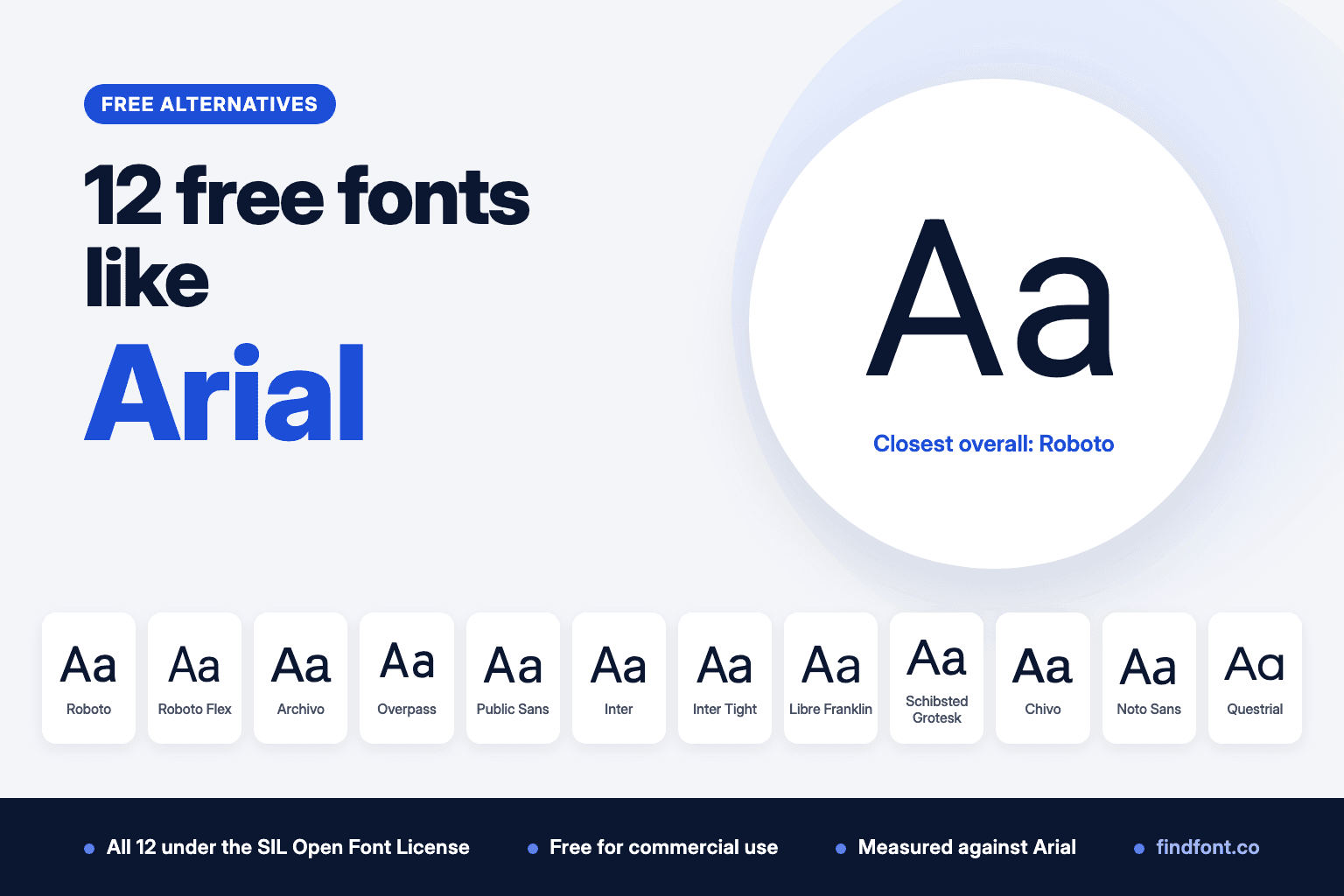
Sans-Serif Fonts (e.g., Helvetica, Arial): Modern, clean, and accessible. Tech companies and startups love these for their "no-nonsense" approachability and high readability on screens.
Script & Handcrafted Fonts: Personal, creative, and emotional. These are perfect for lifestyle brands looking to break the "corporate" mold and appear more human.
Display Fonts: Bold, loud, and expressive. These are strictly for headlines and are designed to grab attention instantly.
Pro Tip: Never sacrifice readability for personality. If your customers can't read your name, they can't buy your product.
Top Typography Trends Defining 2026
The design world is currently shifting away from the sterile minimalism of the early 2020s toward more expressive, organic, and motion-heavy styles.
1. Funky Curvy Serifs
Minimalism is getting a makeover. Brands are moving toward "Modern Retro"—serif fonts with exaggerated curves and funky, 70s-inspired ligatures. This style balances nostalgia with modern confidence, making it a favorite for lifestyle and food & beverage brands.
2. Kinetic Typography (Type in Motion)
Static text is so last year. With the rise of video content on social media, Kinetic Typography—text that moves, stretches, and twists—is taking center stage. Brands are using variable fonts that animate on scroll, turning the act of reading into an interactive experience.
3. Soft Brutalism
Brutalism (raw, unpolished design) has softened up. In 2026, "Soft Brutalism" combines bold, utilitarian typography with pastel color palettes and rounded edges. It creates a vibe that is edgy but still approachable, widely used in Gen Z-focused marketing.
4. Anti-AI Handcrafting
As AI-generated imagery floods the web, there is a premium on the "human touch." Imperfect, hand-drawn, and scribbled fonts are exploding in popularity. They signal authenticity and "realness" in a digital world.
How to Find "The One": A 3-Step Guide to Font Selection
Choosing a font for your brand can feel overwhelming. Here is a simple framework to narrow it down:
Define Your Brand Archetype: Are you the Rebel (Bold/Display), the Sage (Serif), or the Friend (Rounded Sans-Serif)? Match the font category to your brand personality.
The "Legibility Test": Test your chosen font in various sizes. Does it look good on a giant billboard? More importantly, is it readable on a tiny mobile screen?
Hunt and Gather: Don't settle for the default fonts on your computer. Inspiration is everywhere. When you see a font you love on a competitor’s site or a cool poster, don't just guess—identify it.
The Designer’s Secret Weapon: Font Identification
We have all been there: You see a stunning logo or a header on a website, and you need to know what font it is.
In the past, you had to scour forums or guess. Today, tools like findfont.co simplify this process. Whether you are trying to match a client's existing branding or looking for a typeface that captures a specific "vibe" you saw on Instagram, using a dedicated font finder accelerates your workflow.
Why use a font finder?
Accuracy: Stop guessing and get the exact font family.
Similar Alternatives: If a font is too expensive, font finders often suggest free or affordable alternatives that look similar.
Speed: Turn hours of research into a 5-second search.
Conclusion
Typography is not just about making things look pretty; it's about strategic communication. By staying updated with 2026 trends like kinetic type and curvy serifs, and using the right tools to identify and select the best fonts, you can build a brand identity that resonates and endures.
Ready to elevate your typography game? Start exploring, start identifying, and let your brand find its voice.
Related guide: free business fonts for reports, slides and logos.